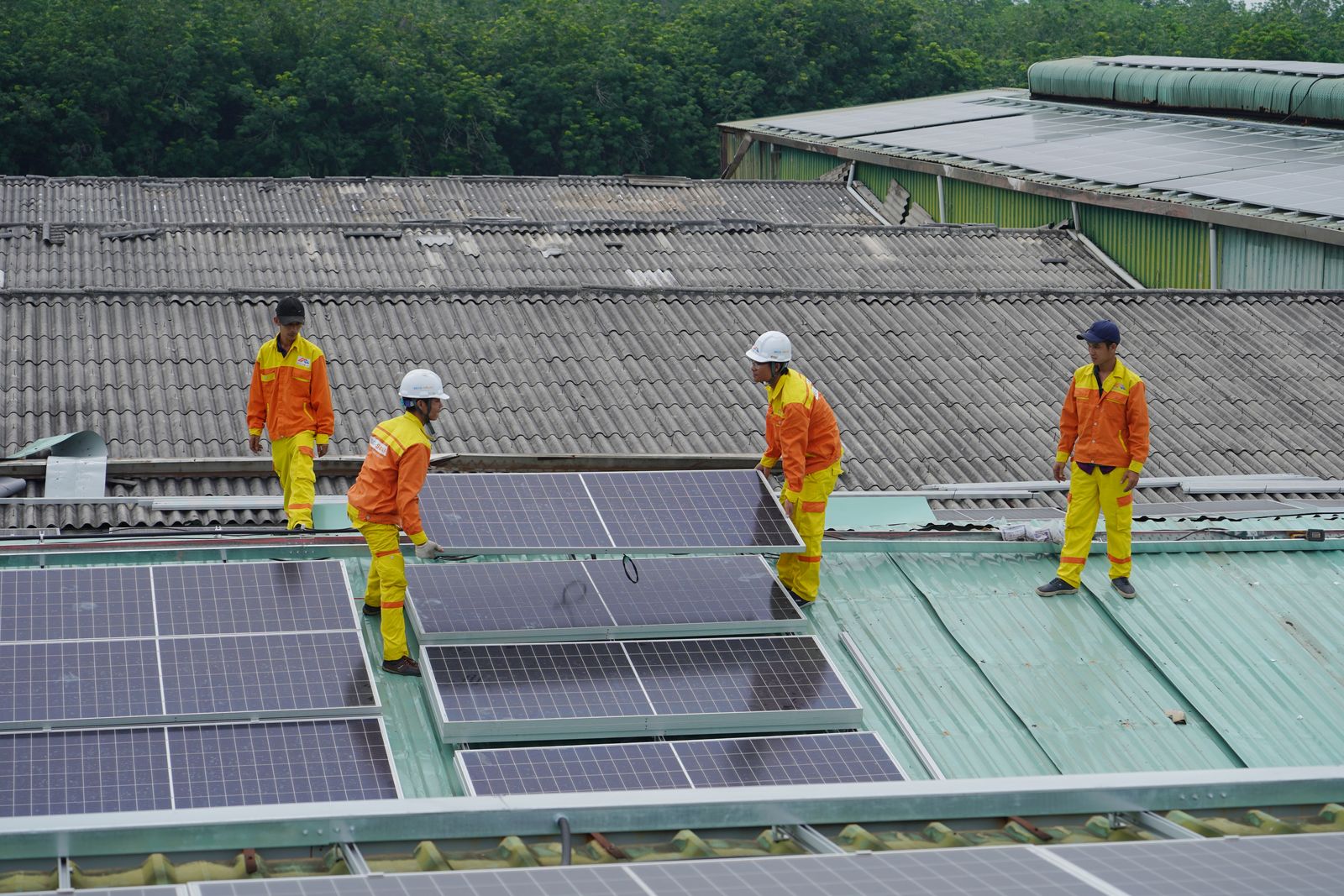
How Solar Installation Works in D&G
Getting solar panels in Dumfries & Galloway takes four steps: call us or fill in the form, we arrange a no-obligation survey, we design your system and provide a written quote, then our MCS-certified installer partner installs everything — typically in one day. The full process takes 2–3 weeks.
- •Getting solar in D&G takes 4 steps: call, survey, design and quote, installation
- •Installation is typically completed in one day for a standard property
- •Full process from first call to switch-on usually takes 2–3 weeks
- •All SP Distribution DNO paperwork (G98/G99) is handled for you
- •MCS certificate issued within 7 days of installation
- •0% VAT on solar and battery installations until March 2027
Last updated: 30 October 2026
From first phone call to generating your own electricity — here's exactly what happens, step by step.
How does the solar installation process work in D&G?
Getting solar panels installed in Dumfries & Galloway is straightforward. We handle the entire process through our network of MCS-certified installer partners. From your first call to switch-on typically takes 2–3 weeks, depending on survey availability and SP Distribution approval times.
1. Get in touch
Call 0141 230 0198 or fill in the survey form. Tell us your postcode, property type, and current heating. We cover every DG postcode from DG1 to DG16.
No deposit, no obligation. We just need enough information to arrange a survey at a time that suits you.
2. Property survey
We arrange a no-obligation survey at your D&G property. One of our MCS-certified installer partners visits to assess your roof, orientation, and energy use.
The surveyor checks roof pitch, available space, shading from trees or chimneys, and your current electrical setup. They also confirm your SP Distribution DNO category (G98 or G99).
3. System design and quote
Using your survey data, we design a solar system tailored to your property. You receive an itemised quote with panel count, inverter, battery option, and total cost.
The design uses your DG postcode irradiance data to estimate generation. You can adjust the system size, add or remove a battery, and discuss finance options before deciding.
4. Installation
Our MCS-certified installer partner installs your complete system, typically in one day. All SP Distribution DNO paperwork is handled for you.
Scaffolding goes up in the morning, panels are mounted and wired, and the inverter is commissioned. The installer cleans up and walks you through the monitoring app before leaving.
What components are installed in a solar system?
A typical solar panel system in Dumfries & Galloway includes the following components. Your exact specification depends on your property survey and energy goals:
Solar panels
Mounted on your roof using marine-grade aluminium railing (important for coastal Solway properties). Panel count depends on roof space and system size.
Inverter
Converts DC power from panels to AC electricity for your home. String inverters or micro-inverters depending on your roof layout and shading.
Battery (optional)
Stores surplus solar electricity for evening use. Fox ESS and Duracell options available. Particularly valuable for rural D&G properties with higher grid dependency.
Monitoring
A smart monitoring app shows real-time generation, battery charge, and export data. You can track your system performance from your phone.
What happens after my solar installation is complete?
Once your system is installed and commissioned, an MCS certificate is issued within 7 days. Your installer partner registers you for the Smart Export Guarantee so you can earn money for surplus electricity exported to the grid. The monitoring app is configured and you start generating from day one.
If you have any questions after installation, our aftercare team is available on aftercare@scottishenergyefficiency.co.uk or 0141 230 0198.
Frequently asked questions
How long does the full solar installation process take in D&G?
The physical installation is typically completed in one day for a standard property. The full process from first call to switch-on usually takes 2 to 3 weeks, depending on survey availability and SP Distribution DNO approval times for larger systems requiring G99 notification.
Do I need to be home for the survey?
Yes, the surveyor needs access to your loft or roof space and your consumer unit. The survey takes around 60 to 90 minutes. We arrange a time that suits you, including Saturdays.
What happens if it rains on installation day?
Solar panels are installed in most weather conditions. Heavy rain or high winds may delay the roof work for safety reasons, but this is rare in D&G. Your installer partner will reschedule if conditions are unsafe.
Who handles the DNO paperwork?
Our MCS-certified installer partners handle all SP Distribution DNO notification on your behalf. Standard residential systems use a G98 notification. Larger systems require a G99 application, which can add 11 to 30 working days to the timeline.
What happens after installation is complete?
An MCS certificate is issued within 7 days. Your installer partner registers you for the Smart Export Guarantee so you can earn money for surplus electricity exported to the grid. The monitoring app is configured and you start generating from day one.
Get Your D&G Solar
Assessment
Last updated: 30 October 2026 · Reviewed by the Scottish Energy Efficiency team